Osho Message लेबलों वाले संदेश दिखाए जा रहे हैं. सभी संदेश दिखाएं

Snehdeep Osho Vision

 दो तरह के व्यक्तित्व होते है। जो लोग अंतर्मुखी है उनके लिए उनके भीतर ही सब रंग- के मिलने की धारण आसान है। लेकिन जो बहिर्मुखी लोग है वे भीतर की धारणा नहीं बना सकते। वे बाहर की ही कल्पना कर सकते है। उनका चित्त बाहर ही यात्रा करता है। वे भीतर नहीं गति कर सकते उनके भीतर कोई आंतरिकता नहीं है।

अंग्रेज दार्शनिक डेविड ह्यूम ने कहा है, जब भी मैं भीतर जाता हूं वहां मुझे कोई आत्मा नहीं मिलती। जो भी मिलता है वह

बाहर के प्रतिबिम्ब है—कोई विचार, कोई भाव। कभी किसी आंतरिकता का दर्शन नहीं होता। सदा बाहरी जगत ही वहां प्रतिबिम्ब मिलता है। यह श्रेष्ठतम बहिर्मुखी चित्त है। और डेविड ह्यूम सर्वाधिक क बहिर्मुखी चित्त वालों में से एक है।

इसलिए अगर तुम्हें भीतर कुछ धारणा के लिए न मिले और तुम्हारा मन पूछे कि यह आंतरिकता क्या है। तो अच्छा है कि

दिवार पर किसी बिंदु का प्रयोग करो।

दिवार पर बिंदु बनाओ और उस पर एकाग्र होओ। असली बात एकाग्रता के कारण घटती है। बिंदु के कारण नहीं । बाहर है या भीतर यह प्रासंगिक नहीं है। यह तुम पर निर्भर है। अगर दीवार पर देख रहे हो, एकाग्र हो रहे हो, तो तब तक एकाग्रता साधो जब तक वह बिंदु विलीन न हो जाए।

इस बात को ख्याल में रख लो: जब तक बिंदु विलीन न हो जाए।‘’

पलक को बंद मत करो। क्योंकि उससे मन को फिर गति करने के लिए जगह मिल जाती है। इसलिए अपलक देखते रहो।

क्योंकि पलक के गिरने से मन विचार में संलगन हो जाता है। पलक के गिराने से अंतराल पैदा होता है। और एकाग्रता नष्ट

हो जाती है। इसलिए पलक झपकना नहीं है।


"ओशो विज्ञान भैरव तंत्र"


There are two types of personality.  For those who are introverted, it is easy to wear all the colors within them.  But those who are extroverted cannot create inner perception.  They can only imagine outside.  His mind travels outside.  They cannot move in. There is no internality within them.

 The English philosopher David Hume has said, "Whenever I go inside I do not find any soul."  Whoever gets

 The outside is reflective - an idea, an emotion.  There is never a vision of internalism.  The image is always found in the outer world.  This is the best extroverted mind.  And David Hume is one of the most extroverted minds.

 So if you do not get some perception inside and ask your mind what is this innerness.  So good that

 Use a point on the wall.

 Make a point on the wall and concentrate on it.  The real thing decreases due to concentration.  Not because of the point.  Outside or within it is not relevant.  It's up to you  If you are looking at the wall, converging, then concentrate concentration until that point disappears.

 Keep this in mind: until the point dissolves. "

 Do not close the eyelid.  Because it gives the mind space to move again.  So keep watching Apalak.

 Because the fall of the eyelid engages the mind.  Falling of the eyelid creates a gap.  And destroy concentration

 It happens.  Therefore do not blink an eyelid.


"Osho Vigyan Bhairava Tantra"


Snehdeep Osho Vision

 कल्पना करो कि मयूर पूंछ के पंचरंगे वर्तुल निस्सीम अंतरिक्ष में तुम्हारी पाँच इंद्रियां है।

अब उनके सौंदर्य को भीतर ही घुलने दो। उसी प्रकार शून्य में या दिवार पर किसी बिंदु के साथ कल्पना करो, जब तक कि वह

बिंदु विलीन न हो जाए। तब दूसरे के लिए तुम्हारी कामना सच हो जाती है।‘’

ये सारे सूत्र भीतर के केंद्र  को कैसे पाया जाए उससे संबंधित है। उसके लिए  जो बुनियादी तरकीब,जो बुनियादी विधि काम में लायी गयी है, वह यह है कि तुम अगर बाहर कहीं भी, मन में, हृदय में या बाहर की किसी दीवार में एक केंद्र बना सके और उस पर समग्रता से अपने अवधान को केंद्रित कर सके और उस बीच समूचे संसारा को भूल सके और एक वही बिंदु तुम्हारी चेतना में रह जाए। तो तुम अचानक अपने आंतरिक केंद्र पर फेंक दिए जाओगे। 

अगर तुम अ या ब या किसी भी बिंदु पर ठहर गए, तो मन तुमसे संघर्ष करेगा। वह कहेगा कि आगे चलो। क्योंकि अगर तुम रुक

गए, मन तुरंत मर जायेगा। वह गति में रहकर ही जीता है। मन का अर्थ ही क्रिया है। अगर तुमने गति नहीं की तुम रुक गये तो मन अचानक समाप्त हो जायेगा। वह नहीं बचेगा। केवल चेतना बचेगी।

चेतना तुम्हारा स्वभाव है। मन  तुम्हारा कर्म है। चलने जैसा। इसे समझना कठिन है। क्योंकि हम समझते है कि मन कोई

ठोस वास्तविक वस्तु है। वह नहीं है। मन महज एक क्रिया है। यह कहना बेहतर होगा की यह मन नहीं मनन है। चलने की

तरह यह एक क्रिया है। चलना क्रिया है; अगर तुम रुक जाओ, तो चलना समाप्त हो जायेगा। तुम तब नहीं कह सकते कि

चलना बैठना है। तुम रुक जाओ, तो चलना समाप्त है। तुम रुक जाओ तो चलना कहां है। चलना बंद। पैर है, पर चलना नहीं है। पैर चल सकते है। लेकिन अगर तुम रुक जाओ तो, चलना नहीं होगा।

चेतना पैर जैसी है, वह तुम्हारा स्वभाव है। मन चलने जैसा है, वह एक क्रिया है। जब चेतना एक जगह से दूसरे जगह जाती

है तब वह क्रिया  मन है। जब चेतना अ से ब और ब से स को जाती है तब यह गति मन है। अगर तुम गति को बंद कर दो, तो मन नहीं रहेगा। तुम चेतन हो, लेकिन मन नहीं है। जैसे पैर तो है, लेकिन चलना नहीं है। चलना क्या है। कर्म है; मन भी क्रिया है, कर्म है।


"ओशो विज्ञान भैरव तंत्र "

Imagine that you have five senses in the five-colored circle of the peacock tail.

 Now let their beauty dissolve within.  Similarly imagine with a point in the void or on the wall until it

 The point does not dissolve.  Then your wish for another comes true. "

 All these sutras are related to how to find the inner center.  The basic trick for him, the basic method that has been used, is that if you can create a center anywhere outside, in the mind, in the heart or in any wall outside, and focus your attention on it in totality.  So that you can forget the whole world and only one point remains in your consciousness.  Then you will suddenly be thrown to your inner center.

 If you stop at A or B or at any point, the mind will struggle with you.  He will say go ahead.  Because if you stop

 Gone, the mind will die instantly.  He lives by staying in motion.  Mind means action.  If you do not move you stop, then the mind will stop suddenly.  He will not survive.  Only consciousness will remain.

 Consciousness is your nature.  Mind is your karma  Like walking  It is difficult to understand.  Because we understand that the mind

 A solid is a real object.  He is not.  Mind is just a verb.  It would be better to say that it is not a meditation.  To walk

 Like it is a verb.  Walking is action;  If you stop, walking will stop.  You can't say that then

 Walking is sitting.  If you stop, walking is over.  If you stop then where to go.  stop walking.  Have legs, but don't walk.  Legs can walk.  But if you stop, you won't have to walk.

 Consciousness is like a foot, it is your nature.  Mind is like walking, it is a verb.  When consciousness moves from one place to another

 Then that action is the mind.  When consciousness moves from A to B and from B to S, then this motion is the mind.  If you stop the movement, the mind will not be there.  You are conscious, but do not have mind.  Like there is a foot, but do not walk.  What is walking  Karma is;  Mind is also action, action.


 "Osho Vigyan Bhairava Tantra"


Snehdeep Osho Vision


जब किसी बिस्तर या आसमान पर हो तो अपने को वजन शून्य हो जाने दो—मन के पार।

तुम यहां बैठे हो; बस भाव करो कि तुम वजन शून्य हो गए हो। तुम्हारा वज़न न रहा। तुम्हें पहले लगेगा कि कहीं यहां वज़न है। वजन शून्य होने का भाव जारी रखो। वह आता है। एक क्षण आता है। जब तुम समझोगे कि तुम वज़न शून्य हो। वज़न नहीं है। और जब वज़न शून्य नहीं रहा तो तुम शरीर नहीं रहे। क्योंकि वज़न शरीर का है; तुम्हारा नहीं, तुम तो वज़न शून्य हो।

इस संबंध में बहुत प्रयोग किए गये है। कोई मरता है तो संसार भर में अनेक वैज्ञानिक ने मरते हुए व्यक्ति का वज़न लेने की कोशिश की है। अगर कुछ फर्क हुआ, अगर कुछ चीज शरीर के बाहर निकला है, कोई आत्मा या कुछ अब वहां नहीं है। क्योंकिवजन के लिए कुछ भी बिना वज़न के नहीं है।

सब पदार्थ के लिए वज़न बुनियादी है।

वज़न पदार्थ का है, लेकिन तुम पदार्थ नहीं हो। अगर वजन शून्यता की हम विधि का प्रयोग करना है तो तुम्हें सोचना चाहिए।

सोचना ही नहीं भाव करना चाहिए कि तुम्हारा शरीर वजन शून्य हो गया है। अगर तुम भाव करते ही गए। भाव करते ही गए।

तो तुम वजन शून्य हो, तो एक क्षण आता है कि तुम अचानक अनुभव करते हो कि तुम वज़न शून्य हो गये। तुम वजन शून्य ही हो। इसलिए तुम किसी समय भी अनुभव कर सकते हो। सिर्फ एक स्थिति पैदा करनी है। जिसमें तुम फिर अनुभव करो कि तुम वजन शून्य हो। तुम्हें अपने को सम्मोहन मुक्त करना है।

तुम्हारा सम्मोहन क्या है ? सम्मोहन यह है कि तुमने विश्वास किया है कि मैं शरीर हूं, और इसलिए वज़न अनुभव करते हो।

अगर तुम फिर से भाव करोविश्वास करो कि मैं शरीर नहीं हूं, तो तुम वज़न अनुभव नहीं करोगे। यही सम्मोहन मुक्ति है कि जब तुम वज़न अनुभव नहीं करते तो तुम मन के पार चले गए।

शिव कहते है: ‘’जब किसी बिस्तर या आसन पर हो तो अपने को वजन शून्य हो जाने दो-- मन के पार।‘’ तब बात घटती है।


"ओशो विज्ञान भैरव तंत्र"


When on a bed or in the sky, let yourself lose weight - beyond the mind.

 You are sitting here;  Just sense that you have lost weight.  You are no more weight.  You will first feel that there is weight here.  Keep the sense of weight being zero.  He comes.  A moment comes.  When you understand that you are zero weight.  No weight.  And when the weight is not zero then you are no longer the body.  Because the weight is of the body;  Not yours, you are zero weight.

 Many experiments have been done in this regard.  If someone dies, many scientists all over the world have tried to take the weight of a dying person.  If something has happened, if something has come out of the body, no soul or anything is there now.  Because nothing is without weight for weight.

 Weight is fundamental to everything.

 The weight is of matter, but you are not matter.  If we want to use the method of weight zero then you should think.

 Don't just think that your body weight has become zero.  If you just kept on feeling.  Just kept on talking.

 So you are zero weight, then a moment comes that you suddenly feel that you have lost weight.  You are zero weight.  That's why you can feel at any time.  Only one situation has to be created.  In which you again feel that you are zero weight.  You have to free yourself from hypnosis.

 What is your hypnosis  Hypnosis is that you have believed that I am a body, and therefore feel weight.

 If you feel again, believe that I am not a body, you will not feel weight.  This hypnosis is liberating that when you do not feel the weight, you have gone beyond the mind.

 Shiva says: "When on a bed or a pedestal, let yourself lose weight - beyond the mind." Then the thing happens.


 "Osho Vigyan Bhairava Tantra"


Snehdeep Osho Vision

 शिव कहते है: ‘’जब चींटी के रेंगने की अनुभूति हो तो इंद्रियों के द्वार बंद कर दो।‘’

यह विधि कहती है: ‘’इंद्रियों के द्वार बंद कर दो।‘’ 

पत्थर की तरह हो जाओ। जब तुम सच में संसार के लिए बंद हो जाते हो तो तुम अपने शरीरके प्रति भी बंद हो जाते हो।

क्योंकि तुम्हारा शरीर तुम्हारा हिस्सा न होकर संसार का हिस्सा है। जब तुम संसार के प्रति बिलकुल बंद हो जाते हो तो अपने शरीर के प्रति भी बंद हो गए। और तब शिव कहते है, तब घटना घटेगी।

इस लिए शरीर के साथ इसका प्रयोग करो। किसी भी चीज से काम चल जाएगा। रेंगती चींटी ही जरूरी नहीं है। नहीं तो तुम सोचोगे कि जब चींटी रेंगेगी तो ध्यान करेंगे। और ऐसी सहायता करने वाली चींटियाँ आसानी से नहीं मिलती। इसलिए किसी से भी चलेगा। तुम अपने बिस्तर पर पड़े हो और ठंडी चादर महसूस हो रही है। उसी क्षण मृत हो जाओ। अचानक चादर दूर  होने लगेगी । विलीन हो जाएगी। तुम बंद हो, मतृ हो, पत्थर जैसे हो, जिसमे कोई भी रंध नहीं है, तुम हिल नहीं सकते। और जब तुम हिल नहीं सकते तो तुम अपने पर फेंक दिये जाते हो। अपने में केन्द्रीत हो जाते हो। और तब पहली बार तुम

अपने केंद्र से देख सकते हो। और एक बार जब अपने केंद्र से देख लिया तो फिर तुम वही व्यक्ति नहीं रह जाओगे जो थे।


"ओशो विज्ञान भैरव तंत्र"


Shiva says: "Close the doors of the senses when you feel the ant crawling."

 This method says: "Close the doors of the senses."

 Get like a stone.  When you are really closed to the world, then you are also closed to your body.

 Because your body is not part of you but part of the world.  When you are completely closed towards the world, then you are also closed towards your body.  And then Shiva says, then the incident will happen.

 Therefore, use it with the body.  Anything will work.  The creeping ant itself is not necessary.  Otherwise, you will think that when the ant wakes up you will meditate.  And such helping ants are not easily found.  So anyone will do.  You lie on your bed and feel a cold sheet.  Be dead at that moment.  Suddenly the sheet will start to go away.  Will dissolve.  You are closed, like a stone, like a stone, in which there is no smell, you cannot move.  And when you cannot move, you are thrown on yourself.  You become centered in yourself.  And then for the first time you

  You can see from your center.  And once you have seen from your center, then you will no longer be the same person you were.


 "Osho Vigyan Bhairava Tantra"


Snehdeep Osho Vision

 इस यूग का एक महान सृजनात्मक मनीषी डी. एच. लॉरेंस, जाने अनजाने तंत्र विद था। पश्चिम मेंव पूरी तरह निंदित हुआ। उसकी किताबें जब्त हुई। उस पर अदालत में अनेक मुकदमे चले सिर्फ इसलिए कि उसने कहा कि काम ऊर्जा एक मात्र ऊर्जा है। और अगर तुम उसकी निंदा करते हो, दमन करते हो, तो तुम जगत के खिलाफ हो। और तब तुम कभी भी इस ऊर्जा की परम खिलावट को नहीं जान पाओगे। और दमित होने पर यह कुरूप हो जाती है। और यही दुष्चक्र है।

पुरोहित, नीतिवादी, तथाकथित धार्मिक लोग, पोप, शंकराचार्य, और दूसरे लोग काम की सतत निंदा करते है। वे कहते है कि यह एक कुरूप चीज है। और तुम इसका दमन करते रहते हो तो यह सचमुच कुरूप हो जाती है। तब वे कहते है कि देखो, जो हम कहते थे वह सच निकला। तुमने ही इसे सिद्ध कर दिया। तुम जो भी कर रहे हो वह कुरुप है, और तुम जानते हो कि वह कुरूप है। लेकिन काम स्वयं कुरूप नहीं है। पुरोहित ने उसे कुरूप कर दिया है। और जब वे इसे कुरुप कर चूकते है तब वे सही  साबित होते है। और जब वे सही साबित होते है तो तुम उसे कुरुप से कुरुप तर्क किए देते हो। काम तो निर्दोष ऊर्जा है। तुम में प्रवाहित होता जीवन है, जीवंत अस्तित्व है। उसे पंगु मत बनाओ। उसे उसके शिखर की यात्रा करने दो। उसका अर्थ है कि काम को प्रेम बनना चाहिए। फर्क क्या है ? 

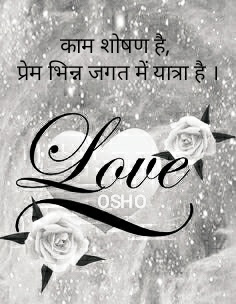
जब तुम्हारा मन कामुक होता है तो तुम दूसरे का शोषण कर रहे हो। दूसरा मात्र एक यंत्र होता है। जिसे इस्तेमाल करके फेक देना है। और जब काम प्रेम बनता है तब दूसरा यंत्र नहीं होता दूसरे का शोषण नहीं किया जाता, दूसरा सच में दूसरा नहीं होता। तब तुम प्रेम करते हो तो यह सव्-केंद्रित नहीं है। उस हालत में तो दूसरा ही महत्वपूर्ण होता है। अनूठा होता है। तब तुम एक दूसरे का शोषण नहीं करते, तब दोनों एक गहरे अनुभव में सम्मिलित हो जातेहो। साझीदार हो जाते हो। तुम शोषक और शोषित न होकर एक दूसरे को प्रेम की और ही दुनियां में यात्रा करने में सहायता करते हो। काम शोषण है, प्रेम एक भिन्न जगत में यात्रा है।

अगर यह यात्रा क्षणिक न रहे, अगर यह यात्रा ध्यानपूणर्ण हो जाए, अर्थात अगर तुम अपने को बिलकुल भूल जाओ और प्रेमी

प्रेमिका विलीन हो जाएं और केवल प्रेम प्रवाहित होता रहे, तो शिव कहते है—‘’शाश्वत  जीवन तुम्हारा है।‘’


"ओशो विज्ञान भैरव तंत्र "


One of the great creative personalities of this era was DH Lawrence, a known unknown tantra.  To the west and became completely condemned.  His books were confiscated.  He faced many cases in court only because he said that work energy is the only energy.  And if you condemn it, oppress it, then you are against the world.  And then you will never know the ultimate flow of this energy.  And when repressed it becomes ugly.  And this is the vicious cycle.

 The priests, the ethicists, the so-called religious people, the pope, the Shankaracharya, and others constantly condemn the work.  They say that it is a ugly thing.  And if you keep suppressing it, then it really becomes ugly.  Then they say look, what we used to say came true.  You proved it.  Whatever you are doing is bad, and you know that it is ugly.  But the work itself is not ugly.  The priest has disfigured him.  And when they miss it, they are proved right.  And when they are proved to be right, then you argue with it in a bad way.  Work is innocent energy.  Life flows in you, there is a vibrant existence.  Do not paralyze him  Let him travel to his summit.  It means that work should become love.  What's the difference?

 When your mind is sensual you are exploiting the other.  The second is just a machine.  Which is to be thrown using.  And when work becomes love, then there is no other machine, the other is not exploited, the other is not really another.  If you love then it is not self-centered.  In that case, the other one is important.  Is unique.  Then you do not exploit each other, then both become involved in a deep experience.  You become a partner.  Instead of being exploited and exploited, you help each other to travel in the world of love and love.  Work is exploitation, love is a journey into a different world.

 If this journey is not ephemeral, if this journey becomes meditative, that is, if you forget yourself completely and lover

 If the beloved dissolves and only love continues to flow, Shiva says - "eternal life is yours."


 "Osho Vigyan Bhairava Tantra"


Snehdeep Osho Vision

 शिव के लिए प्रेम महा द्वार है। और उनके लिए कामवासना निंदनीय नहीं है। उनके लिए काम बीज है और प्रेम उसका फूल

है। और अगर तुम बीज की निंदा करते हो तो फूल की भी निंदा अपने आप हो जाती है। काम प्रेम बन सकता है। और अगर

वह कभी प्रेम नहीं बनता है तो वह पंगु हो जाता है। पंगुता की निंदा करो, काम की नहीं । प्रेम को खिलना चाहिए। उसको प्रेम

बनना चाहिए। और अगर यह नहीं होता है तो यह काम दोष नहीं है, यह दोष तुम्हारा है।

काम को काम नहीं रहना है। यही तंत्र की शिक्षा है। उसे प्रेम में रूपांतरित होना ही चाहिए। और प्रेम को भी प्रेम ही नही रहना

है। उसे प्रकाश में ध्यान के अनुभव में अंतिम, परम रहस्यवादी शिखर में रूपांतरित होना चाहिए। प्रेम को रूपांतरित कैसे किया  जाए? 

कृत्य हो जाओ और कर्ता को भूल जाओ। प्रेम करते हुए प्रेम  महज प्रेम हो जाओ। तब यह तुम्हारा प्रेम मेरा प्रेम या किसी अन्य का प्रेम नहीं है। तब यह मात्र प्रेम है, जब कि तुम नहीं हो, जब कि तुम परम स्त्रोत या धारा के हाथ में हो। तब कि तुम प्रेम में हो तुम प्रेम  में नहीं हो प्रेम न ही तुम्हें आत्मसात कर लिया है। तुम तो अंतर्ध्यान हो गए हो। मात्र प्रवाहमान ऊर्जा बनकर रह गए हो।


"ओशो विज्ञान भैरव तंत्र "


Love for Shiva is the great gate.  And sex is not condemnable for them.  Work is the seed for them and love is its flower

 is.  And if you condemn the seed, then the flower also gets condemned automatically.  Work can become love.  and if

 If he never becomes love then he becomes paralyzed.  Condemn lameness, no use.  Love should blossom  Love him

 Should be made.  And if it is not, then this work is not a defect, this defect is yours.

 Work does not have to work.  This is the education of Tantra.  He must transform into love.  And love is also not love

 is.  He must transform into the ultimate, ultimate mystic peak in the experience of meditation in light.  How to convert love?

 Get the act done and forget the doer.  Love is just love while making love.  Then this love of yours is not my love or the love of any other.  Then it is just love, when you are not, while you are in the hand of the ultimate source or stream.  Then that you are in love, you are not in love, nor has love assimilated you.  You have disappeared.  You have become a mere flowing energy.


 "Osho Vigyan Bhairava Tantra"


Snehdeep Osho Vision

 प्रेम अनंत का द्वार खोल सकता है। अस्तित्व की शाश्वतता का द्वार । इसलिए अगर तुमने कभी सच में प्रेम किया है तो प्रेम को ध्यान की विधि बनाया जा सकता है। यह वह विधि है प्रिय देवी प्रेम किए जाने के क्षण में प्रेम में ऐसे प्रवेश करो जैसे की यह नित्य जीवन हो।‘’ 

बाहर-बाहर रहकर प्रेमी मत बनो प्रेमपूर्ण होकर शाश्वत में प्रवेश करो। जब तुम किसी को प्रेम करते हो तो क्या तुम वहां

प्रेमी की तरह होते हो? अगर होते हो तो समय में हो, और तुम्हारा प्रेम झूठा है। नकली है, अगर तुम अब भी वहां हो और कहते हो कि मैं हूं तो शारीरिक रूप से नजदिक होकर भी आध्यात्मिक रूप से तुम्हारे बीच दो ध्रुओं की दूरी कायम रहती है।

प्रेम में तुम न रहो,सिर्फ प्रेम रहे;इसलिए प्रेम ही हो जाओ। 

अहंकार को विसर्जित करने के लिए प्रेम सब से सरल मार्ग है। इसी वजह से अहंकारी  लोग प्रेम नहीं कर पाते। वे प्रेम के बारे में 

बातें कर सकते है। गीत गा सकते है। लिख सकते है; लेकिन वे प्रेम नहीं कर सकते अहंकार प्रेम नहीं कर सकता है।

शिव कहते है, प्रेम ही हो जाओ। 


"ओशो विज्ञान भैरव तंत्र"

Love can open the door to infinity.  The door to the perpetuity of existence.  Therefore, if you have ever truly loved, love can be made a method of meditation.  This is the method, enter the love as if it is a regular life at the moment of being loved by the beloved Goddess. "

 Do not be a lover by staying outside and enter into eternal life by being loving.  When you love someone are you there

 Are you like a lover?  If you are, be in time, and your love is false.  It is fake, if you are still there and say that I am, even though physically close, the distance between the two dholes is maintained spiritually.

 Don't be in love, just be in love; therefore, be in love.

 Love is the simplest way to immerse the ego.  This is why egoistic people are not able to love.  They about love

 Can talk  Can sing songs  Can write  But they cannot love, ego cannot love.

 Shiva says, just be in love.


 "Osho Vigyan Bhairava Tantra"


Snehdeep Osho Vision

 बुद्ध और शिव शाश्वत में रहते है, समय में नहीं ।

जीसस से पूछा गया कि आपके प्रभु के राज्य में क्या होगा?

जीसस ने उत्तर दिया—यह उत्तर झेन संत के उत्तर जैसा है—‘’वहां समय नहीं होगा।‘’ जिस व्यक्ति को यह उत्तर दिया गया था उसने कुछ नहीं समझा होगा। जीसस ने इतना ही कहा वहां समय नहीं होगा। क्योंकि समय क्षैतिज है, और प्रभु का राज्य ऊर्धगामी है। वह शाश्वत है। वह सदा यहां है। उसमे प्रवेश के लिए तुम्हें समय से हट भर जाना है।

तो प्रेम पहला द्वार है। इसके द्वारा तुम समय के बाहर निकल सकते हो। यही कारण है कि हर आदमी प्रेम चाहता है, हर आदमी प्रेम करना चाहता है। और कोई नहीं जानता है कि प्रेम को इतनी महिमा क्यों दी जाती है? प्रेम के लिए इतनी गहरी चाह क्यों है ? और जब तक तुम यह ठीक से न समझ लो, तुम ने प्रेम कर सकते हो और न पा सकते हो। क्योंकि इस धरती पर प्रेम गहन से गहन घटना है।

हम सोचते है कि हर आदमी जैसा वह है, प्रेम करने को सक्षम है। वह बात नहीं है। और इसी कारण से तुम प्रेम में निराश होते हो। प्रेम एक और ही आयाम है। यदि तुमने किसी को समय के भीतर प्रेम करने की कोशिश की तो तुम्हारी कोशिश हारेगी। समय के रहते प्रेम संभव नहीं है।

"ओशो विज्ञान भैरव तंत्र "


Buddha and Shiva live in perpetuity, not in time.

 Jesus was asked what would happen in your lord's kingdom?

 Jesus replied — this answer is like a Zen saint's answer - "There will be no time." The person to whom this answer was given must have understood nothing.  Jesus said this much, there will be no time.  Because time is horizontal, and the kingdom of God is upward.  He is eternal.  He is always here.  To enter it, you have to move away from time.

 So love is the first door.  Through this you can get out of time.  This is why every man wants love, every man wants to be loved.  And no one knows why love is so glorified?  Why is there such a deep desire for love?  And unless you understand this properly, you can love and you cannot find it.  Because love is a deepest event on this earth.

 We think that every man as he is is capable of love.  that's not it.  And for this reason you are disappointed in love.  Love is another dimension.  If you try to love someone within a period of time, you will lose it.  Love is not possible during time.

 "Osho Vigyan Bhairava Tantra"


Snehdeep Osho Vision

 हम समय को तीन हिस्सों में बांटते है—भूत, भविष्य और वर्तमान। यह विभाजन गलत है। सर्वथा गलत है। केवल भूत और भविष्य समय है, वर्तमान समय का हिस्सा नहीं है। वर्तमान शाश्वत का हिस्सा  है। जो बीत गया वह समय है। जो आने वाला है समय है।

लेकिन जो है वह समय नहीं है। क्योंकि वह कभी बीतता नहीं है। वह सदा है। अब सदा है। वह सदा है। यह अब शाश्वत है।

अगर तुम अतीत से चलो तो तुम कभी वर्तमान में नहीं आते। अतीत से तुम सदा भविष्य में यात्रा करते हो। उसमे कोई क्षण

नहीं आता जो वर्तमान हो। तुम अतीत से सदा  भविष्य में गति करते रहते हो। आकर वर्तमान से तुम और वर्तमान में गहरे उतरते हो,अधिकाधिक वर्तमान में । यहां नित्य जीवन है।

बुद्ध और शिव शाश्वत में रहते है, समय में नहीं ।


"ओशो विज्ञान भैरव तंत्र"


We divide time into three parts - past, future and present.  This division is incorrect.  Is completely wrong.  Only past and future is time, present is not part of time.  The present is part of the eternal.  All that has passed is time.  What is to come is time.

 But what is there is no time.  Because it never passes.  He is always  Is forever  He is always  It is now eternal.

 If you walk from the past, you never come to the present.  From the past you always travel to the future.  Any moment in it

 Do not know what is present.  You always move from the past to the future.  You come deeper into the present and deeper into the present, more and more into the present.  There is daily life here.

 Buddha and Shiva live in perpetuity, not in time.


 "Osho Vigyan Bhairava Tantra"


Snehdeep Osho Vision

 मृतवत लेटे रहो। क्रोध में क्षुब्द होकर उसमे ठहरे रहो। या पुतलियों को घुमाएं,बिना एकटक घूरते रहो। या कुछ चुसो और

चूसना बन जाओ।

‘’मृतवत लेटे रहो।‘’

प्रयोग करो कि तुम एकाएक मर गए हो। शरीर को छोड़ दो,क्योंकि तुम मर गए हो। बस कल्पना  करो कि मृत हूं,मैं शरीर 

नहीं हूं, शरीर को नहीं हिला सकता। आँख भी नहीं हिला सकता। मैं चीख -चिल्ला भी नहीं सकता। न ही मैं रो सकता हूं, कुछ भी नहीं कर सकता। क्योंकि मैं मरा हुआ हूं। और तब देखो तुम्हें कैसा लगता है। लेकिन अपने को धोखा मत दो। तुम शरीर को थोड़ा हिला सकते हो, नहीं , हिलाओ नहीं । लेकिन मच्छर भी आ जाये, तो भी शरीर को मतृ समझो। यह सबसे अधिक उपयोग की गई विधि है।

रमण महर्षि इसीविधि से ज्ञान को उपलब्ध हुए थे। लेकिन यह उनके इस जन्म की विधि नहीं थी। इस जन्म में तो अचानक सहज ही यह उन्हें घटित हो गई। लेकिन जरूर उन्होंने किसी पिछले जन्म में इसके सतत साधना की होगी।

अन्यथा सहज कुछ भी घटित नहीं होता। प्रत्येक चीज का कार्य कारण संबंध रहता है।

यही विधि है जो रमण को सहज घटित हुई। लेकिन तुमको यह सहज ही नही घटित होने वाला। लेकिन प्रयोग करो तो किसी जीवन में यह सहज हो सकती है। प्रयोग करते हुए भी यह घटित हो सकती है। और यदि नहीं घटित हुई तो भी प्रयत्न कभी व्यर्थ नहीं जाता है। यह प्रयत्न तुम में रहेगा। तुम्हारे भीतर बीज बनकर रहेगा। कभी जब उपयुक्त समय होगा और वर्षा होगी, यह बीज अंकुरित हो जाएगा।

सब सहजता की यही कहानी है। किसी काल में बीज बो दिया गया था। लेकिन ठीक समय नहीं आया था। और वर्षा नहीं हुई थी। किसी दूसरे जन्म और जीवन में समय तैयार होता है, तुम अधिक प्रौढ़ अधिक अनुभवी होते हो। और संसार में उतने ही निराश होते हो, तब किसी विशेष स्थिति में वर्षा होती है और बीज फूट निकलता है।

"ओशो"- 

"विज्ञान भैरव तंत्र"

Lie dead  Stay indignant in anger and stay in it.  Or rotate the pupils, staring without staring.  Or kiss something

 Suck it.

 "Stay lying dead."

 Use that you have died suddenly.  Leave the body, because you have died.  Just imagine i'm dead i body

 No, I cannot move the body.  Can't even move the eye.  I can't even scream.  Nor can I cry, do nothing.  Because I am dead.  And then see how you feel.  But don't cheat yourself.  You can move the body a little, no, don't move.  But even if a mosquito comes, consider the body to be mistrusted.  This is the most commonly used method.

 Ramana Maharishi had attained knowledge by this method.  But this was not the method of his birth.  In this birth, it suddenly happened to them spontaneously.  But they must have practiced it continuously in a previous life.

 Otherwise nothing spontaneous happens.  The function of everything is a causal relationship.

 This is the method that happened easily to Raman.  But this is not going to happen to you easily.  But if you experiment, it can be comfortable in some life.  It can also occur while using.  And even if it did not happen, the effort is never in vain.  This effort will remain in you.  A seed will remain inside you.  Whenever there is a suitable time and there will be rain, this seed will sprout.

 This is the story of all ease.  The seed was sown in some time.  But the exact time did not come.  And there was no rain.  Time is ready in another birth and life, you become more mature and more experienced.  And just as disappointed in the world, then in a particular situation it rains and the seed comes out.

 "Osho"-

 "Vigyan Bhairava Tantra"


Snehdeep Osho Vision

 ‘’अत्यंतिक भक्ति पूर्वक श्वास के दो संधि-स्थलों पर केंद्रित होकर…..।‘’

भीतर आनेवाली श्वास की एक संधि स्थल है। जहां वह मुड़ती है। इन दो संधि-स्थलों जसकी चर्चा हम कर चुके है—के

साथ यहां जरा सा भेद किया गया है। हालांकि यह भेद विधि में तो जरा सा ही है, लेकिन साधक के लिए बड़ा भेद हो सकता है।

केवल एक शर्त जोड़ दी गई है—‘’अत्यंतिक भक्ति पूर्वक’’, और पूरीविधि बदल गयी।

इसके प्रथम स्वरूप में भक्ति का सवाल नहीं था। वह मात्र वैज्ञानिक विधि थी। तुम प्रयोग करो और वह काम करेगी। लेकिन

लोग है जो ऐसी शूक्ष्म वैज्ञानिक विधियों पर काम नहीं करेंगे। इसलिए जो हृदय की ओर झुके है। जो भक्ति के जगत के है, उनके लिए जरा सा भेद किया गया है:अत्यंतिक भक्ति पूर्वक श्वास के दो संधि-स्थलों पर केंद्रित होकर ज्ञाता को जान लो।‘’ 

अगर तुम वैज्ञानिक रुझान के नहीं हो, अगर तुम्हारा मन वैज्ञानिक नहीं है, तो तुम इस विधि को प्रयोग में लाओ।

आत्यंतिक भक्ति पूर्वक प्रेम श्रद्धा के साथ श्वास के दो संधि स्थलों पर केंद्रित होकर ज्ञाता को जान लो।‘’ 

यह कैसे संभव होगा।

भक्ति तो किसी के प्रति होती है। चाहे वे कृष्ण हो या क्राइस्ट लेकिन तुम्हारे स्वयं के प्रति श्वास के दो संधि-स्थलों के प्रति भक्ति कैसी होगी। यह तत्व तो गैर भक्ति वाला है। लेकिन व्यक्ति-व्यक्ति पर निर्भर है।

तंत्र का कहना है कि शरीर मंदिर है। तुम्हारा शरीर परमात्मा का मंदिर है, उसका निवास स्थान  है। इसलिए इसे मात्र अपना शरीर या एक वस्तु न मानो। यह पवित्र है,धार्मिक है। जब तुम एक श्वास भीतर ले रहे हो तब तुम ही श्वास नहीं ले रहे हो, तुम्हारे भीतर परमात्मा भी श्वास ले रहा है। तुम चलते फिरते हो इसे इस तरह देखो,तुम नहीं, स्वयं परमात्मा तुममें

चल रहा है। तब सब चीजें पूरी तरह भक्ति हो जाती है।

अनेक संत- के बारे में कहा जाता है कि वे अपने शरीर को प्रेम करते थे, वे उसके साथ ऐसा व्यवहार करते थे। मानो वे शरीर

उनकी  प्रेमिकाओं के रहे हो।

तुम भी अपने शरीर को यह व्यवहार दे सकते हो। उसके साथ यंत्रवत व्यवहार भी कर सकते हो। वह भी एक रुझान है, एक

दृष्टि है। तुम इसे अपराध पूर्ण पाप भरा और गंदा भी मान सकते हो। और इसे चमत्कार भी समझ सकते हो,परमात्मा का घर भी समझ सकते है, यह तुम पर निर्भर है।

यदि तुम अपने शरीर को मंदिर मान सको तो यह विधि तुम्हारे काम आ सकती है, ‘’आत्यंतिक भक्ति पूर्वक….।‘’ इसका

प्रयोग करो। जब तुम भोजन कर रहे हो तब इसका प्रयोग करो। यह न सोचो कि तुम भोजन कर रहे हो, सोचो कि परमात्मा

तुममें भोजन कर रहा है। और तब परिवर्तन को देखो। तुम वही चीज खा रहे हो। लेकिन तुरंत सब कुछ बदल जाता है। अब तुम परमात्मा को भोजन दे रहे हो। तुम स्नान कर रहे हो कितना मामूली सा काम है। लेकिन दृष्टि बदल दो, अनुभव करो

कि तुम अपने में परमात्मा को स्नान करा रहे हो, तब यह विधि आसान होगी।

‘’आत्यांतिक भक्ति पूर्वक श्वास के दो संधि स्थलों पर केंद्रित  होकर ज्ञाता को जान लो।

ओशो-

"विज्ञान भैरव तंत्र"


"Very devoutly focused on the two places of breath… .."

 There is a place of inner breath.  Where she turns.  These two treaty sites, which we have discussed —

 Also a slight distinction has been made here.  Although this distinction is a bit in the method, but there can be a big difference for the seeker.

 Only one condition has been added - "very devoutly", and the whole method has changed.

 In its first form, there was no question of devotion.  It was the only scientific method.  You experiment and it will work.  but

 There are people who will not work on such scientific methods.  Therefore those who have bowed towards the heart.  For those who belong to the world of devotion, a slight distinction has been made: Know the knower by concentrating on the two places of breath in utmost devotion. "

 If you are not of scientific temper, if your mind is not scientific, then you should use this method.

 Get to know the knower by focusing on two pact sites of breathing with extreme devotion.

 How would this be possible?

 Devotion is towards someone.  Whether they are Krishna or Christ, but how will your devotion towards your self be connected to the two sandhi-sthals.  This element is non-devotional.  But it depends on the person.

 Tantra says that the body is a temple.  Your body is the temple of God, its abode.  Therefore, do not consider it just your body or an object.  It is sacred, religious.  When you are taking a breath in, then you are not breathing, the divine is also breathing in you.  You walk and look at it this way, not you, the divine in you

 Its going on.  Then everything becomes completely devotional.

 It is said of many saints that they loved their bodies, they used to treat them like that.  As if those bodies Have been his girlfriends.

 You too can give this behavior to your body.  You can also deal with him mechanically.  That is also a trend

 Vision.  You can also consider it a sinful and sinful crime.  And you can also consider it a miracle, you can also understand the house of God, it is up to you.

 If you can consider your body to be a temple, then this method can work for you, "Extremely devotional..."

 do experiment.  Use it while you are having food.  Do not think that you are eating food, think that God  Is eating in you  And then look at the change.  You are eating the same thing.  But immediately everything changes.  Now you are giving food to the divine.  You are taking a small bath.  But change eyesight

That you are bathing the divine in you, then this method will be easy.

 "Know the knower by concentrating on two pact sites of spiritual devotion."

 Osho-

 "Vigyan Bhairava Tantra"


Snehdeep Osho Vision

 भृकुटियों केबीच अवधान को स्थिर कर विचार को मन के सामने रखो।‘’ 

अगर यह अवधान प्राप्त हो जाए तो पहली बार एक अद्दभुत बात तुम्हारे अनुभव में आएगी। पहली बार तुम देखोगे कि तुम्हारे विचार तुम्हारे सामने चल रहे है, तुम साक्षी हो जाओगे। जैसे कि सिनेमा के पर्दे पर दृश्य देखते हो, वैसे ही तुम देखोगे कि विचार आ रहे है, और तुम साक्षी हो। एक बार तुम्हारा अवधान त्रिनेत्र केंद्र ? पर स्थिर हो जाए तुम तुरंत विचारों के साक्षी हो जाओगे। आमतौर से तुम साक्षी नहीं होते, तुम विचारों के साथ तादात्म्य कर लेते हो। यदि क्रोध है तो तुम क्रोध हो जाते हो। यदि एकविचार चलता है तो उसके साक्षी होने की बजाए तुम विचार के साथ एक हो जाते हो। उससे तादात्म्य करके साथ-साथ चलने लगते हो। तुम विचार ही बन जाते हो, विचार का रूप ले लेते हो, जब क्रोध उठता है तो तुम क्रोध बन जाते हो। और जब लोभ उठता है तब लोभ बन जाते हो। कोई भी विचार तुम्हारे साथ एकात्म हो जाता है। और उसके और तुम्हारे बीच दूरी नहीं

रहती। लेकिन तीसरी आँख पर स्थिर होते ही तुम एकाएक साक्षी हो जाते हो। तीसरी आँख के जरिए  तुम साक्षी बनते हो। इस शिवनेत्र के द्वारा तुम विचारों को वैसे ही चलता देख सकते हो जैसे आसमान पर तैरते बादलों को, या राह पर चलते लोगो को देखते हो ।


"ओशो विज्ञान भैरव तंत्र"


Keep the thought in front of the mind by fixing the attention between the beggars. "

 If this attention is attained then for the first time an amazing thing will come in your experience.  For the first time you will see that your thoughts are going on in front of you, you will become a witness.  Just as you see the scene on the cinema screen, you will see that thoughts are coming, and you are a witness.  Once Your Attention Trinetra Center?  But once you become stable, you will immediately witness thoughts.  Usually you are not a witness, you identify with thoughts.  If there is anger, you become angry.  If an idea moves, instead of witnessing it, you become one with the idea.  You identify with him and start walking together.  You become thoughts, take the form of thoughts, when anger arises, you become anger.  And when greed arises, then greed is made.  Any thought merges with you.  And no distance between him and you

 Lived.  But as soon as you settle on the third eye, you suddenly become a witness.  You become a witness through the third eye.  Through this Shivnetra you can see thoughts moving like clouds floating on the sky, or people walking on the path.


 "Osho Vigyan Bhairava Tantra"


Snehdeep Osho Vision

 जब श्वास मोड़ लेती है। उस समय तुम उससे नहीं जुड़े हो। और उस क्षण तुम आसानी से जान सकते हो कि मैं कौन हूं, यह होना क्या है, उस समय तुम जान सकते हो कि शरीर रुपी घर के भीतर कौन है, इस घर का स्वामी कौन है। मैं मात्र घर हूं या वहां कोई स्वामी भी है, मैं मात्र यंत्र रचना हूं, या उसके परे भी कुछ है। और शिव कहते है कि उस घुमाव बिंदु पर उपलब्ध हो। वे कहते है, उस मोड़ के प्रति बोधपूर्ण हो जाओ और तुम आत्मोपलब्ध हो।

या जब कभी अंत: श्वास और बहिर्श्वास एक दूसरे मेंविलीन होती है, उस क्षण में ऊर्जारहित,ऊर्जापुरित केंद्र को स्पर्श करो।

हम केंद्र ? और परिधि मेंविभाजित है। शरीर परिधि है। हम शरीर को, परिधि को जानते है। लेकिन हम यह नहीं जानते कि कहां केंद्र है। जब बहिर्श्वास अंत:श्वास में विलीन होती है। जब वे एक हो जाती है। जब तुम यह नहीं कह सकते कि यह अंत:श्वास है कि बहिर्श्वास जब यह बताना कठिन हो कि श्वास भीतर जा रही है कि बाहर जा रही है। जब श्वास भीतर प्रवेश कि बाहर की तरफ मुड़ने लगती है, तभी विलय का क्षण है। तब श्वास जाती है और न भीतर आती है। श्वास गतिहीन है। जब वह बहार जाती है, गतिमान है, जब वह भीतर आती है, गतिमान है। और जब वह दोनों में कुछ भी नहीं करती है। तब वह

मौन है, अचल है। और तब तुम केंद्र के निकट हो। आनेवाली और जानेवाली श्वासों का यह विलय बिंदु तुम्हारा केंद्र है। इसे इस तरह देखो। जब श्वास भीतर जाती है तो कहां जाती है ? वह तुम्हारे केंद्र को जाती है। और जब वह बाहर जाती है तो कहां जाती है ? केंद्र से बाहर जाती है। इसी केंद्र को स्पर्श करना है। यही कारण है कि ताओ वादी संत और झेन संत कहते है कि सर तुम्हारा केंद्र नहीं है, नाभि तुम्हारा केंद्र है। श्वास नाभि केंद्र को जाती है,फिर वहां से लौटती है, फिर उसकी यात्रा करती है। जैसा मैंने कहा,श्वास तुम्हारे और तुम्हारे शरीर के बीच सेतु है। तुम शरीर को तो जानते हो,लेकिन यह नहीं जानते कि केंद्र कहां है। श्वास निरंतर केंद्र को जा रही है। और वहां से लौट रही है। लेकिन हम पर्याप्त श्वास नहीं लेते है। इस कारण से

साधारणत: वह केंद्र तक नहीं पहुंच पाती है

प्रेम में भी तुम्हारा रूप कुरूप हो जाता है। क्यों तुम्हारे प्रेम में भी द्वंद है, तुम कुछ बचाकर रख रहे हो, कुछ रोक रहे हो; 

तुम बहुत कंजूसी से दे रहे हो। तुम अपने प्रेम में भी समग्र नहीं हो। तुम समग्रता से, पूरे-पूरे दे भी नहीं पाते।


"ओशो विज्ञान भैरव तंत्र"


When the breath takes a turn.  At that time you are not connected to him.  And at that moment you can easily know who I am, what is it to be, at that time you can know who the body is inside the home, who is the owner of this house.  I am a mere householder or there is also a master, I am a mere instrument, or something beyond that.  And Shiva says to be available at that inflection point.  They say, become aware of that turn and you are self-realizing.

 Or whenever the inhalation and exclusion merge into each other, touch the energetic, energetic center in that moment.

 We center?  And is divided into perimeter.  The body is the circumference.  We know the body, the circumference.  But we do not know where the center is.  When exertion dissolves in the inner breath.  When they unite.  When you cannot say that it is the inner breath that the exclusion is when it is difficult to tell that the breath is going in that it is going out.  When the breath starts to turn inward, then there is a moment of merger.  Then the breath goes out and does not come in.  Breathing is sedentary.  When she goes outside, she is moving, when she comes in, she is moving.  And when she does nothing in both.  Then that

 Is silent, is immovable.  And then you are close to the center.  This merging point of incoming and outgoing breaths is your center.  look at it this way.  Where does the breath go when it goes in?  She goes to your center.  And where does she go when she goes out?  She goes out of the center.  This center has to be touched.  This is why Tao Vaadi saints and Zen saints say that the head is not your center, the navel is your center.  The breath goes to the navel center, then returns from there, then travels to it.  As I said, breathing is the bridge between you and your body.  You know the body, but do not know where the center is.  The breathing is going continuously to the center.  And returning from there.  But we do not breathe enough.  because of this reason

 Usually she does not reach the center

 Even in love, your form becomes ugly.  Why there is a duality in your love, you are saving something, stopping something;

 You are giving a lot of skimp.  You are not even perfect in your love.  You are not able to give wholeheartedly.


 "Osho Vigyan Bhairava Tantra"


Snehdeep Osho Vision

 अगर तुम श्वास के प्रति सजगता का, बोध का एहसास करते गए तो एक दिन अनजाने ही तुम अंतराल को पा जाओगे । क्योंकि जैसे-जैसे तुम्हारा बोध तीब्र गहरा और सघन होगा, जैसे-जैसे तुम्हारा बोध स्पष्ट आकार लेगा। जब सारा संसार भूल जाएगा। बस श्वास का आना जाना ही एक मात्र बोध रह जाएगा—तब अचानक तुम उस अंतराल को अनुभव करोगे। जिसमें श्वास नहीं है।

अगर तुम सूक्ष्मता से श्वास-प्रश्वास के साथ यात्रा कर रहे हो तो उस स्थिति के प्रति अबोध कैसे रह सकतेहो। जहां श्वास नहीं है। वह क्षण आ ही जाएगा जब तुम महसूस करोगे। कि अब श्वास न जाती है, न आती है। श्वास क्रिया बिलकुल ठहर गई है। और उसी ठहराव में श्रेयस का वास है।

यह एक विधि लाखों-करोड़ों- लोगों- के लिए पर्याप्त  है। सदियों- तक समूचा एशिया इस एक विधि के साथ जीया और उसका प्रयोग करता रहा। तिब्बत , चीन, जापान, बर्मा, रतलाम,श्रीलंका। भारत को छोड़कर समस्त एशिया सदियों- तक इस एक विधि का उपयोग करता रहा। और इस एक विधि के द्वारा हजारों -हजारों-व्यक्ति ज्ञान को उपलब्ध हुए। और यह पहली ही विधि है। दुर्भाग्य की बात कि चूंकि यह विधि बुद्ध के नाम से संबंद्ध हो गई। इसलिए हिंदू इस विधि से बचने की चेष्टा में लगे रहे । क्योंकि यह बौद्धविधि की तरह बहुत प्रसिद्ध हुई। हिंदू इसे बिलकुल भूल गये। इतना ही नहीं उन्होंने और एक कारण से इसकी अवहेलना की। क्योकि शिव ने सबसे पहले इस विधि का उल्लेख किया अनेक बौद्धों ने इस विज्ञान भैरव तंत्र के बौद्ध

ग्रंथ होनेका दावा किया। वे इसे हिन्दू ग्रंथ नहीं मानते।

यह न हिंदू है और न बौद्ध और विधि मात्र विधि है। बुद्ध ने इसका उपयोग किया,लेकिन यह उपयोग के लिए मौजूद ही थी।

और इस विधि के चलते बुद्ध-बुद्ध हुए। विधि तो बुद्ध से भी पहले थी। वह मौजूद ही थी। इसको प्रयोग में लाओ। यह सरलतम विधियों-में से है—अन्य विधियों-की तुलना में। मैं यह नहीं कहता की यह विधि तुम्हारे लिए सरल है। अन्य विधियां अधिक कठिन होगी । यही कारण है कि पहलीविधि की तरह इसका उल्लेख हुआ है।


"ओशो विज्ञान भैरव तंत्र"


If you go on realizing your awareness of breathing, then one day you will find the gap unconsciously.  Because as your perception will become darker and denser, your perception will take a clear shape.  When the whole world will forget.  Only the passing of breath will be the only realization - then suddenly you will feel that gap.  In which there is no breathing.

 If you are traveling with subtlety, then how can you remain immune to that situation.  Where there is no breathing.  That moment will come when you will feel.  That the breath does not go away, nor does it come.  The breathing has stopped completely.  And Shreyas resides in the same halt.

 This one method is sufficient for millions.  For centuries - the whole of Asia lived and experimented with this one method.  Tibet, China, Japan, Burma, Ratlam, Sri Lanka.  All of Asia except India continued to use this method for centuries.  And through this one method, thousands of thousands of people got knowledge.  And this is the first method.  Unfortunately, since this method became associated with the name of Buddha.  Therefore, Hindus continued to try to avoid this method.  Because it became very famous like Buddhist method.  Hindus completely forgot it.  Not only this, they disregarded it for another reason.  Because Shiva first mentioned this method, many Buddhists Buddhists of this science Bhairav ​​Tantra

 Claimed to be scripture.  They do not consider it a Hindu book.

 It is neither Hindu nor Buddhist and just a law.  The Buddha used it, but it existed for use.

 And this method led to Buddha-Buddha.  The method was even before Buddha.  She was present.  Use it.  It is one of the simplest methods - compared to other methods.  I do not say that this method is easy for you.  Other methods will be more difficult.  That is why it is mentioned like the first method.


 "Osho Vigyan Bhairava Tantra"


Snehdeep Osho Vision

 तुम भीतर जाती श्वास को जान सकते हो। लेकिन तुम दोनो- के अंतराल को कभी नही जानते।

प्रयोग करो और तुम उस बिंदु को पा लोगे।

वह है। तुम्हें या तुम्हारे संरचना में कुछ जोड़ना नहीं है।

वह है है। सब कुछ है; सिर्फ बोध नहीं है। कैसे प्रयोग करो ? पहले भीतर आने वाला श्वास के प्रति होश पूर्ण बनो। उसे देखो।

सब कुछ भूल जाओ और आनेवाली  श्वास को, उसके यात्रा पथ को देखो। जब श्वास नासापुट- को प्रवेश करे तो उसको महसूस करो। श्वास को गति करने दो और पूरी सजगता से उसके साथ यात्रा करो। श्वास के साथ ठीक कदम से कदम मिलाकर नीचे उतरो; न आगे जाओ और न पीछे पड़ो। उसका साथ न छूटे बिलकुल साथ-साथ चलो।

स्मरण रहे, न आगे जाना है और न छाया की तरह पीछे चलना है। समांतर चलो। युगपत । श्वास और सजगता को एक हो जाने दो। श्वास नीचे जाती है तो तुम भी नीचे जाओं और तभी उस बिंदु को पा सकते हो, जो दो श्वास - के बीच में है। यह आसान नहीं है। श्वास के साथ अंदर जाओ श्वास के साथ बाहर आओ।

बुद्ध ने इसी विधि का प्रयोग विशेष रूप से किया इसिलिए यह बौद्ध विधि बन गई। बौद्ध शब्दावली में इसे अनापानसति योग

कहते है। और स्वयं बुद्ध की आत्मोपलब्धि इस विधि पर ही आधारित थी। संसार के सभी धर्म, संसार के सभी द्रष्टा किसी न

किसी विधि के जरिए मंजिल पर पहुंचे है। और वह सब विधियां एक सौ बारह विधियों में सम्मिलित है। यह पहलीविधि बौद्धविधि है। दुनियां इसे बौद्ध विधि के रूप में जानती है। क्योंकि बुद्ध इसके द्वारा ही निर्वाण को उपलब्ध हुए थे।

बुद्ध ने कहा है। अपनी श्वास-श्वास के प्रति सजग रहो। अंदर जाती, बहार आती, श्वास के प्रति होश पूर्ण हो जाओ। बुएसएसएच अंतराल की चर्चा नहीं करते। क्योंकि उसकी जरुरत ही नहीं है। बुद्ध ने सोचा और समझा की अगर तुम अंतराल के दो श्वास-के बीच केविराम की फिक्र करने लगे, तो उससे तुम्हारी सजगता खंडित होगी। इसलिए उन्होंने सिर्फ यह कहा कि होश रखो, 

जब श्वास भीतर आए तो तुम भी उसके साथ भीतर जाओ और जब श्वास बाहर आये तो तुम उसके साथ बाहर आओ। विधि

के दूसरे हिस्से के संबंध में बुद्ध कुछ नहीं कहते।

इसका कारण है। कारण यह है की बुद्ध बहुत साधारण लोग- से, सीधे-सादे लोग- से बोल रहे थे। वे उनसे अंतराल की बात करते तो उससे लोग- में अंतराल को पाने की एक अलग कामना निर्मित हो जाती। और यह अंतराल को पाने की कामना बोध में बाधा बन जाती । क्योंकि अगर तुम अंतराल को पाना चाहते हो तो तुम आगे बढ़ जाओगे श्वास भीतर आती रहेगी। और तुम उसकेआगे निकल जाओगे। क्योंकि तुम्हारी दृष्टि अंतराल पर है जो भविष्य में है। बुद्ध कभी इसकी चर्चा नहीं करते ।


"ओशो विज्ञान भैरव तंत्र"


You can know the breath going inside.  But you never know the gap between the two.

 Do the experiment and you will get to that point.

 She is.  Do not add anything to you or your structure.

 That is  Everything is there;  Not just realization.  How to use  Be fully conscious of the inner breath.  see her.

 Forget everything and watch the incoming breath, its travel path.  Feel it when the breath enters the nasal cavity.  Let the breath move and travel with it with full reflex.  Step down step by step with your breath;  Do not go forward nor fall back.  Do not leave her side by side.

 Remember, neither to go forward nor to follow behind like a shadow.  Walk parallel  Simultaneous.  Let breathing and reflexes unite.  If the breath goes down, then you too go down and only then you can find the point which is between two breaths.  It is not easy.  Go in with the breath come out with the breath.

 Buddha used this method exclusively, so it became Buddhist method.  In Buddhist terminology, it is called Anapanasati Yoga.

 It is said.  And Buddha's self-realization was based on this method.  All religions of the world, all the observers of the world

 Have reached the destination through some method.  And all those methods are included in one hundred and twelve methods.  This first method is the Buddhist method.  The world knows it as Buddhist method.  Because by this Buddha was attained to Nirvana.

 Buddha has said.  Be aware of your breath.  Go in, come out, become full of breath.  BuSSH does not discuss intervals.  Because there is no need for that.  Buddha thought and understood that if you start worrying about the intermittent breaks, then your awareness will be broken by that.  So they just said that be aware,

 When the breath comes in, you also go inside with it and when the breath comes out, you come out with it.  Method

 Buddha does not say anything about the other part of the world.

 It has a reason.  The reason is that Buddha was speaking to very ordinary people - to simple people.  If they talked about the gap with them, then a different wish would be created for people to get the gap.  And this desire to attain the gap would become an obstacle to realization.  Because if you want to find the gap, then you will move forward, the breath will come in.  And you will get ahead of him.  Because your vision is at intervals which is in the future.  Buddha never discusses it.


 "Osho Vigyan Bhairava Tantra"


Snehdeep Osho Vision

 तंत्र श्वास की व्यवस्था की चिंता नहीं करता। भीतर की और मुड़ने के लिए वह

श्वास क्रिया का उपयोग भर करता है। तंत्र में साधक को किसी विशेष ढंग की श्वास का अभ्यास नहीं करना चाहिए। कोई

विशेष प्राणायाम नहीं साधना है, प्राण को लयबद्ध नहीं बनाना है; बस उसके कुछ विशेष विंदुओं के प्रति बोधपूर्ण होना है ।

श्वास प्रश्वास के कुछ बिंदु है जिन्हें हम नहीं जानते। हम सदा श्वास लेते है। श्वास के साथ जन्मते है,श्वास के साथ मरते है। लेकिन उसके कुछ महत्वपूर्ण बिंदुओं का  बोध नहीं है। 

शिव उत्तर में कहते है—हे देवी, यह अनुभव दो श्वास - के बीच घटित हो सकता है। श्वास के भीतर आने के पश्चात और बाहर

लौटने के ठीक पूर्व—श्रेयस है, कल्याण है।

यह विधि है: हे देवी, यह अनुभव दो श्वास- के बीच घटित हो सकता है। जब श्वास भीतर अथवा नीचे को आती है उसके बाद

फिर श्वास के लौटने के ठीक पूर्व —श्रेयस है। इन दो बिंदुओं के बीच होश पूर्ण होने से घटना घटती है।

जब तुम्हारी श्वास भीतर आये तो उसका निरीक्षण करो। उसके फिर बाहर या ऊपर के लिए मुड़ने के पहले एक क्षण के लिए,

या क्षण के हजारवें भाग के लिए श्वास बंद हो जाती है। श्वास भीतर आती है, और वहां एक बिंदु है जहां वह ठहर जाती है।

फिर श्वास बाहर जाती है। और जब श्वास बाहर जाती है। तो वहां एक बिंदु पर ठहर जाती है। और फिर वह भीतर को लौटती है।

श्वास के भीतर या बाहर के लिए मुड़ने के पहले एक क्षण है जब तुम श्वास नहीं लेते हो। उसी क्षण में घटना घटनी संभव है। क्योंकि जब तुम श्वास नहीं लेते हो तो तुम संसार में नहीं होते हो। समझ लो कि जब तुम श्वास नहीं लेते हो तब तुम मतृ हो; तुम तो हो,लेकिन मृत। लेकिन यह क्षण इतना छोटा है कि तुम उसे कभी देख नहीं पाते।

तंत्र के लिए प्रत्येक बहिर्गामी श्वास मृत्यु है और प्रत्येक नई श्वास पुनर्जन्म भीतर आनेवाला श्वास पुनर्जन्म है; बाहर

जानेवाला श्वास मृत्यु है। बाहर जानेवाला श्वास मृत्यु का पर्याय है; अंदर जानेवाला श्वासस जीवन का। इसलिए प्रत्येक श्वास के साथ तुम मरते हो और प्रत्येक श्वास के साथ तुम जन्म लेते हो। दोनो- के बीच का अंतराल बहुत क्षणिक है, लेकिन पैनी दृष्टि , शुद्ध निरीक्षण और अवधान से उसेअनुभव किया जा सकता है। और यदि तुम उस अंतराल को अनुभव कर सको तो शिव कहते है कि श्रेयस उपलब्ध है। तब और किसी चीज को जरूरत नहीं है। तब तुम आप्तकाम हो गए। तुमने जान लिया घटना घट गई।

श्वास को प्रशिक्षित नहीं करना। वह जैसी है उसे वैसी ही बनी रहने देना। फिर इतनी सरल विधि क्यों ? सत्य को जानने की

ऐसी सरल विधि ? सत्य को जानना उसको जानना है। जिसका न जन्म है न मरण। तुम बाहर जाती श्वास को जान सकते

हो, तुम भीतर जाती श्वास को जान सकते हो। लेकिन तुम दोनो- के अंतराल को कभी नही ंजानते।

प्रयोग करो और तुम उस बिंदु को पा लोगे।


"ओशो विज्ञान भैरव तंत्र"


Tantra does not worry about the system of breathing.  To turn inward

 Breathing exercises are used.  In tantra, the seeker should not practice breathing in any particular way.  someone

 Special pranayam is not cultivation, it is not to make the life rhythmic;  Just be aware of some of its special points.

 There are some points of breathlessness that we do not know.  We always breathe.  Born with breath, dying with breath.  But some of its important points are not understood.

 Shiva says in reply - O Goddess, this experience can happen between two breaths.  In and out

 Just before returning-Shreyas is welfare.

 This method is: O Goddess, this experience can occur between two breaths.  When the breath comes in or down Then just before the breath is returned - Shreyas.  The event is reduced by conscious completion between these two points.

 When your breath comes in, observe it.  Then for a moment before it turns out or up,

 Or the breathing stops for the thousandth part of the moment.  The breath comes in, and there is a point where it stops.

 Then the breath goes out.  And when the breath goes out.  So it stops at one point there.  And then she returns to the inner.

 There is a moment when you do not breathe before you turn inward or outward.  It is possible to happen at that very moment.  Because when you don't breathe, you are not in the world.  Understand that when you do not breathe, you are a dog;  You are but dead.  But this moment is so short that you never see it.

 For the Tantra, each outward breath is death and each new breath is rebirth, the inner breath is rebirth;  outside Breathing is death.  Outgoing breath is synonymous with death;  Inner breath of life.  Therefore with each breath you die and with each breath you are born.  The gap between the two is very transient, but it can be experienced with sharp eyesight, pure observation and attention.  And if you can feel that gap then Shiva says Shreyas is available.  Then nothing else is needed.  Then you fell asleep.  You know the incident happened.

 Do not train breathing.  Let her be what she is.  Then why such a simple method?  To know the truth Such a simple method?  To know the truth is to know it.  Whose birth is neither death nor death.  You can know the breath that goes out You can know the breath going inside.  But you never know the gap between the two.

 Do the experiment and you will get to that point.


 "Osho Vigyan Bhairava Tantra"


Snehdeep Osho Vision

 शिव कहते हैं :- 

हे देवी, यह अनुभव दो श्वास के बीच घटित हो सकता है।

श्वास के भीतर आने के पश्चात और बाहर लौटने के ठीक पूर्व श्रेयस है, कल्याण है।

आरंभ के नौ विधियां श्वास-क्रिया से संबंध रखती है। इसलिए पहले हम श्वास-क्रिया के संबंध में थोड़ा समझ लें और विधियों- में;प्रवेश करेंगे । श्वास तुम्हारे और तुम्हारे शरीर के बीच एक सेतु है। सतत श्वास तुम्हें तुम्हारे शरीर से जोड़ रहा है। संबंधित कर रहा है। और श्वास ने सिर्फ तुम्हारे और तुम्हारे शरीर के बीच सेतु है, वह तुम्हारे और विश्व के बीच भी सेतु है। तुम्हारा शरीर विश्व का अंग है। शरीर के हरेक चीज, हरेक कण, हरेक कोश विश्व का अंश है। यह विश्व के साथ निकटतम संबंध है। और

श्वास सेतु है। और अगर सेतु टूट जाये तो तुम शरीर में नहीं रह सकते। तुम किसी अज्ञात आयाम में चले जाओगे। इस लिए

श्वास तुम्हारे और देश काल के बीच सेतु हो जाती है।

श्वास के दो बिंदु है, दो छोर है। एक छोर है जहां वह शरीर और विश्व को छूती है। और दूसरा वह छोर है जहां वह विश्वातीत

को छूती है। और हम श्वास के एक ही हिस्से से परिचित है। जब वह विश्व में शरीर में गति करती है। लेकिन वह सदा ही शरीर से अशरीर में गति करती है। अगर तुम दूसरे बिंदु को, जो सेतु है, ध्रुव है, जान जाओं। तुम एकाएक रूपांतरित होकर एक दूसरे ही आयाम में प्रवेश कर जाओगे।

लेकिन याद रखो,शिव  जो कहते है वह योग नहीं है। वह तंत्र है। योग भी श्वास पर काम करता है। लेकिन योग और तंत्र के

काम में बुनियादी फर्क है। योग श्वास-क्रिया को व्यवस्थित करने की  चेष्टा करता है। अगर तुम अपनी श्वास को व्यवस्था दो तो तुम्हारा स्वास्थ्य सुधर जायेगा। इसके रहस्य- को समझो, तो तुम्हें स्वास्थ और दीर्घ जीवन मिलेगा। तुम ज्यादा बलि ,ज्यादा ओजस्वी, ` ज्यादा जीवंत, ज्यादा ताजा हो जाओगे।


'ओशो विज्ञान भैरव तंत्र'


Shiva says: -

 O Goddess, this experience can occur between two breaths.

 After coming in and just before coming out, Shreyas is there.

 The initial nine methods relate to breathing.  Therefore, first we have some understanding with respect to breathing and will enter into the methods.  Breathing is a bridge between you and your body.  Constant breathing is connecting you to your body.  Is related  And the breath is just a bridge between you and your body, it is also a bridge between you and the world.  Your body is part of the world.  Everything in the body, every particle, every shell is part of the world.  It is the closest connection with the world.  And The breath is the bridge.  And if the bridge breaks, you cannot remain in the body.  You will go into some unknown dimension.  Hence Breathing becomes a bridge between you and the country.

 Breathing has two points, two ends.  There is an end where she touches the body and the world.  And the other end is where it

 Touches  And we are familiar with only one part of breathing.  When she moves in the body in the world.  But she always moves from body to body.  If you know the second point, which is the bridge, it is the pole.  You will suddenly transform and enter another dimension.

 But remember, what Shiva says is not yoga.  That is Tantra.  Yoga also works on breathing.  But of yoga and tantra

 There is a fundamental difference in work.  Yoga seeks to organize breathing.  If you arrange your breathing then your health will improve.  Understand its secret - then you will get healthy and long life.  You will be more sacrificial, more energetic, more vibrant, more refreshed.


 'Osho Vigyan Bhairav ​​Tantra'


Snehdeep Osho Vision

 तंत्र द्वैत के पार जाता है, इसलिए उसका दृष्टिकोण अति नैतिक है। कृपया कर इन शब्दों को समझो: नैतिक,अनैतिक, अतिअनैतिक । नैतिक क्या है हम समझते है; अनैतिक क्या है हम समझते है; लेकिन जब कोई चीज अतिनैतिक हो जाती है, दौनों के पार चली जाती है। तब उसे समझना कठिन है।

तंत्र अतिनैतिक है। तंत्र कहता है। कोई नैतिकता जरूरी नहीं है। कोई खास नैतिकता जरूरी नहीं है। सच तो यह है कि तुम अनैतिक हो,क्योंकि तुम हारा चित्त अशांत है। इसलिए तंत्र शर्त नहीं लगाता कि पहले तुम नैतिक बनो तब तंत्र की साधना कर

सकते हो। तंत्र के लिए यह बात ही बेतुकी है। कोई बीमार है, बुखार में है, डाक्टर आकर कहता है: पहले अपना बुखार कम करो, पहले पूरा स्वस्थ हो लो और तब मैं दवा दूँगा। यह तो हो रहा है, चोर साधु के पास जाता है। और कहता है, मैं चौर हूं, मुझे ध्यान करना सिखाएं । साधु कहता है, पहले चोरी छोड़ो, चोर रहते ध्यान कैसे कर सकते हो। एक शराबी आकर कहता है, मैं शराब पीता हूं, मुझे ध्यान बताएं। और साधु कहता है,पहली शर्त कि शराब छोड़ो तब ध्यान कर सकोगे।

तंत्र तुम्हारी तथा कथित नैतिकता की., तुम्हारे समाजिक रस्म-रिवाज आदि की चिंता नहीं करता है। इसका यह अर्थ नहीं है की तंत्र तुम्हें अनैतिक होने को कहता है। नहीं, तंत्र जब तुम्हारे नैतिकता की ही इतनी परवाह नहीं करता। तो वह तुम्हारे अनैतिक होनेको नहीं कह सकता। तंत्र तो वैज्ञानिक विधि बताता है कि कैसे चित्त को बदला जाए। और एक बार चित्त दूसरा हुआ की तुम्हारा चरित्र दूसरा हो जाएगा। एक बार तुम्हारे ढांचे का आधार बदला की पूरी इमारत दूसरी हो जाएगी।

इसी अतिनैतिक सुझाव के कारण तंत्र तुम्हारे तथा कथित साधु-महात्माओं को बर्दास्त नहीं हुआ। वे सब उसकेविरोध में खड़े हो गए। क्योंकि अगर तंत्र सफल होता है तो धर्म के नाम पर चलने वाला सारी नासमझी समाप्त हो जाएगी।


"ओशो विज्ञान भैरव तंत्र"


Tantra transcends dualism, so its approach is highly ethical.  Please understand these words: moral, immoral, unethical.  We understand what is ethical;  We understand what is immoral;  But when something becomes hypocritical, it crosses the runes.  It is difficult to understand then.

 The mechanism is extreme.  Tantra says.  No morality is necessary.  No special morality is necessary.  The truth is that you are immoral, because you lose mind is disturbed.  That is why Tantra does not condition you to be ethical first then practice Tantra.

 Can be  This is absurd for Tantra.  Somebody is sick, fever, doctor comes and says: First reduce your fever, get well first and then I will give medicine.  This is happening, the thief goes to the monk.  And says, I am Chaura, teach me to meditate.  The monk says, first stop stealing, how can you meditate while a thief.  An alcoholic comes and says, I drink alcohol, tell me meditation.  And the monk says, first condition is to give up alcohol then you will be able to meditate.

 Tantra does not care about you and perceived morality, your social rituals etc.  This does not mean that the system tells you to be immoral.  No, Tantra does not care so much about your morality.  So he cannot say that you are immoral.  Tantra tells the scientific method how to change the mind.  And once there is another mind that your character will be different.  Once the foundation of your structure is changed, the whole building will become another.

 Because of this extreme suggestion, Tantra did not ruin you and the so-called sage-mahatmas.  They all stood against him.  Because if Tantra is successful, then all the foolishness that goes on in the name of religion will end.


 "Osho Vigyan Bhairava Tantra"


Snehdeep Osho Vision

 'शिव उत्तरर देंगे। उनके उत्तर में 'सब विधियां है—सबसे पुरानी, सबसे; प्राचीन विधियां। लेकिन तुम उसे अत्याधुनिक भी कह सकते हो। क्योंकि उनमें जोड़ा नहीं जा सकता। वे पूर्ण है, एक सौ बारह विधियां । उनमें सभी संभावनाओं का समावेश है; मन को शुद्ध करने के, मन के अतिक्रमण के सभी उपाय उनमें समाएँ है। 'शिव की एक सौ बारह विधियों-में एक और विधि नहीं जोड़ी जा सकती। कुछ जोड़ने की गुंजाईश ही नहीं है। यह सर्वागीण है, संपूर्ण है, अंतिम है। यह सब से,प्राचीन है और साथ ही सबसे आधुनिक, सबसे नवीन। पुराने पर्वत-की भांति ये तंत्र पुराने है, शाश्वत जैसे लगते है। और साथ ही सुबह के सूरज के सामने खड़ेओस-कण की भांति ये नए है। ये इतने ताजे है।

ध्यान की इन एक सौ बारह विधियों- से मन के रुपांतरण का पूरा विज्ञान निर्मित हुआ है। एक-एक कर हम उनमें ;प्रवेश करेंगे।

पहले हम उन्हें बुद्धि से समझने की चेष्टा  करेंगे। लेकिन बुद्धि को मात्र एक यंत्र की तरह काम में लाओ, मालिक की तरह नहीं ।

समझने के लिए यंत्र की तरह उसका उपयोग करो-। लेकिन उसके जरिए नए व्यवधान मत पैदा करो। जिस समय हम इन विधियों-की चर्चा करेंगे। तुम अपने पुरानेज्ञान को पुरानी जानकारियों- को एक किनारे धर देना। उन्हें अलग ही कर देना। वे रास्ते की धूल भर है।

इन विधियों- का साक्षातकार निश्चित ही सावचेत मन से करो; लेकिन तर्क को हटा कर करो। इस भ्रम में मत रहो कि विवाद

करने वाला मन सावचेत मन है। वह नहीं है। लेकिन जिस क्षण तुम विवाद में उतरते हो, उसी क्षण सजगता खो जाती है।

सावचेत नहीं रहते हो। तुम तब यहां हो ही नहीं ।

येविधियां किसी धर्म की नहीं है। 


"ओशो ताओ उपनिषद"


'Shiva will answer.  In his reply, 'all methods are there - the oldest, the oldest;  Ancient methods.  But you can also call it cutting-edge.  Because they cannot be added.  They are complete, one hundred and twelve methods.  They include all possibilities;  In order to purify the mind, all measures of the transgression of the mind are contained in them.  'Another method cannot be added to Shiva's one hundred and twelve methods.  There is no scope to add anything.  It is all-round, complete, final.  It is the oldest of all, as well as the most modern, most innovative.  Like an old mountain - this system is old, looks like eternal.  And at the same time it is new like the oos-particle standing in front of the morning sun.  It is so fresh.

 From these one hundred and twelve methods of meditation, the whole science of the transformation of the mind has been created.  We will enter them one by one.

 First we will try to understand them with wisdom.  But use intelligence as a tool, not as a master.

 Use it like an instrument to understand -.  But do not create new disturbances through it.  At which time we will discuss these methods.  Put aside your old knowledge - old knowledge - on one side.  Separate them.  They are full of dust.

 Interview these methods - definitely with a conscious mind;  But remove the logic.  Do not be confused with the controversy

 The mind to do is conscious mind.  He is not.  But the moment you get into a dispute, at that moment awareness is lost.

 You do not remain alert.  You are not here then.

 These methods do not belong to any religion.


 "Osho Tao Upanishad"


Snehdeep Osho Vision

 लाओत्से कहता है कि अगर तुम जान लो कि तुम साधारण हो, नोबडी हो, ना-कुछ हो, तो फिर ऊपर न चढ़ सकोगे। साधारण का खयाल आते ही तुम्हें लगेगा कि शायद जिस जगह मैं खड़ा हूं, यह भी तो अनधिकार चेष्टा नहीं है। शायद यह भी मेरी योग्यता न हो। तुम और पीछे हट जाओगे। तुम एक दिन वहां हट जाओगे, जहां और आगे हटने को कोई जगह नहीं बचती। तुम एक दिन वहां हट जाओगे, जहां हटने को कोई भी राजी नहीं होता। तुम  एक दिन वहां हट जाओगे, जहां कोई प्रतिस्पर्धा नहीं करता कि यहां से हटो। 

लाओत्से कहता है, उसी दिन तुम असाधारण जीवन को उपलब्ध हो जाओगे। ‍क्योंकि इतना जो विनम्र हो गया, अगय उसको भी

परमात्मा नहीं मिलता, तो फिर परमात्मा की सारी बातचीत बकवास है। इतना जो शून्य  हो गया, अगर उसको भी पूर्ण का साक्षात्कार नहीं होता, तो फिर पूर्ण का साक्षात्कार होता ही नहीं होगा।

यह जो साधारण हो जाने की अपनी तरफ से चेष्टा है–समझ, साधना, जो भी हम कहें–ऐसा मत सोेेंचें कि साधारण आदमी यह कैसे करेगा? प्रत्येक आदमी साधारण है और प्रत्येक यह कर सकता है। लेकिन प्रत्येक को वहम है कि वह असाधारण है। उस वहम को तोड़ना जरूरी है।

लाओत्से यह नहीं कहता कि आप तोडिए ही। वह यह कहता है कि अगर नहीं तोडिएगा, तो दुःख पाइएगा। और दुःख आप पाना नहीं

चाहते। लेकिन जिस चीज से दुःख पाते हैं, उसको सम्हाल कर चलते हैं। करीब-करीब ऐसा मामला है कि हम अपनी बीमारियों को सम्हाल कर चलते हैं, कहीं बीमारी छूट न जाए । और दुःख पाते हैं। और शोरगुल मचाते रहते हैं कि बहुत दुःख है, बहुत  दुःख है। लेकिन जिस चीज से दुःख मिल रहा है, उसे हम छोड़ना नहीं चाहते। अहंकार की गांठ हमारे सब दुःखों की जड़ है। और अपने को साधारण जान लेना सब दुःखों की औषधि है।

"ओशो ताओ उपनिषद"

Lao Tzu says that if you know that you are ordinary, no-no, nothing, then you will not be able to climb up.  As soon as the idea of ​​the ordinary comes, you will feel that perhaps the place where I am standing is also not a trespassing attempt.  It might not be my qualification either.  You will retreat further.  One day you will move away, where there is no place to move further.  You will go away one day, where no one agrees to move.  You will one day get away from where no one competes that move from here.

 Lao Tzu says, on that very day you will be available to an extraordinary life.  Because the person who became so humble, even the leader

 If God is not found, then all the talk of God is nonsense.  So much that has been reduced to zero, even if it does not have a full interview, then it will not be a full interview.

 This is the effort on your part to become ordinary - understand, practice, whatever we say - don't think how an ordinary person will do it?  Each man is ordinary and each can do it.  But each is proud to be exceptional.  It is necessary to break that behavior.

 Lao Tzu does not say that you break.  He says that if not broken, he will suffer.  No more grief

 Want.  But whatever you are suffering from, we handle it.  It is almost a matter that we handle our illnesses, so that the disease is not missed.  And get sad.  And they keep making noise that there is a lot of sorrow, a lot of sorrow.  But the thing that is hurting us, we do not want to leave it.  The knot of ego is the root of all our sorrows.  And knowing oneself as ordinary is the medicine for all sorrows.

 "Osho Tao Upanishad


यह ब्लॉग खोजें